


Prostatitis is an inflammatory process localized in the prostate.This pathology is quite common and is often diagnosed in men of childbearing age.The prostate (the second name for the prostate) is located below the bladder and partially surrounds the urinary tube (urethra).Therefore, even minor dysfunction of this organ leads to disruptions in the functioning of the genitourinary system.
Causes of the development of prostatitis
Prostatitis is classified as an inflammatory process, but this does not mean that it is caused exclusively by pathogenic microorganisms.Doctors (andrologists deal with diseases of the male reproductive system) identify several reasons for the development of the pathology in question:
- Stagnation of blood in the pelvis.This is a violation of blood microcirculation in the prostate and neighboring organs, which causes enlargement of the organ.A violation can occur against the background of a sedentary lifestyle, obesity (this does not have to be critical) or in the postoperative period.
- Infection of the genitourinary system.Most often, when examining a patient with prostatitis, doctors isolate gonococci, staphylococci, chlamydia and trichomonads.Very rarely, an infection can enter the prostate against the background of a sore throat or flu - in this case, the inflammatory process in question is differentiated as a complication.
- Regular injury to the pelvic organs.For this reason, prostatitis develops in drivers - they constantly experience stress on the perineum, the prostate experiences tremors and vibrations.
- Entry of bacteria through the body's biological fluids.Every human body has colonies of bacteria living in the intestines and urethra.Under normal conditions, they are absolutely harmless, and only under favorable conditions (weakened immunity, long-term use of medications, chronic diseases, human immunodeficiency viruses) do they become pathogenic and cause inflammatory processes.These bacteria can enter the prostate through the blood or lymph.
In addition, when diagnosing the inflammatory process in the prostate, factors that serve as provocateurs of pathology can be taken into account:
- regular hypothermia - this may be due to the peculiarities of working conditions or non-compliance with the rules for wearing clothing during specific periods of the year;
- disorders in the functioning of the endocrine system - excessive or insufficient production of male hormones, diagnosed diabetes mellitus;
- too active sex life, as well as prolonged abstinence - the prostate is exhausted;
- any chronic diseases - there are officially recorded cases of the development of prostatitis against the background of untreated bronchitis, caries, cystitis and urological infections.
Symptoms of the inflammatory process
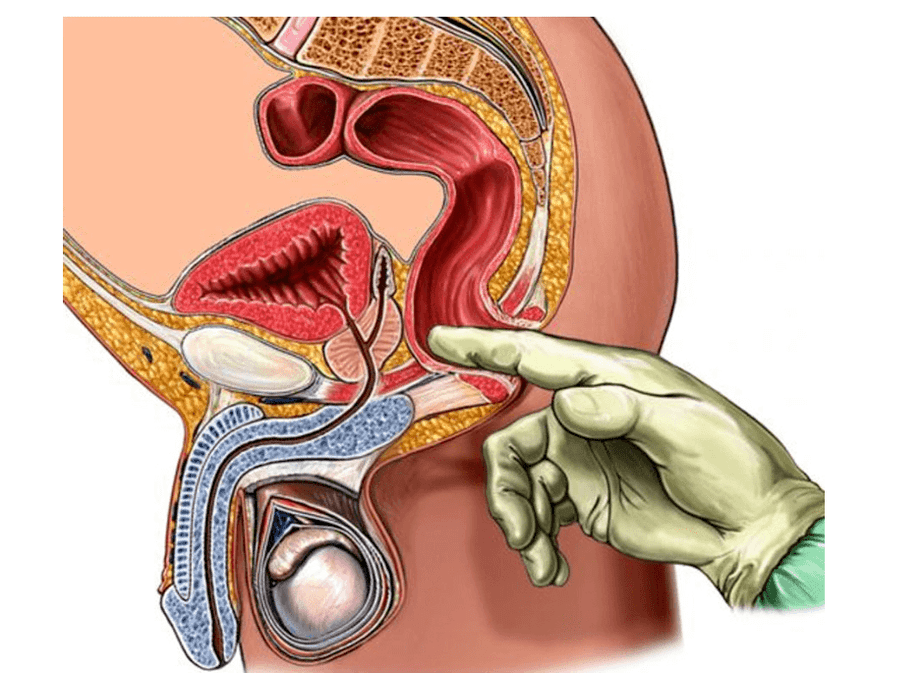
Andrologists distinguish between the main and indirect signs of a developing inflammatory process in the prostate.The main symptoms are clearly expressed:
- urination becomes more frequent, regardless of the amount of fluid consumed;
- the immediate moment of urine flow is painful, the man feels pain and burning in the urethra;
- body temperature increases (hyperemia) to critical levels.
To these symptoms are quickly added a burning sensation throughout the perineum and pain during bowel movements.
Indirect signs of the inflammatory process in the prostate are not so visible, but men should not ignore them:
- ejaculation becomes too accelerated - the duration of sexual intercourse is reduced;
- the erection can be quite long at night;
- decreased libido – partial or complete;
- White “flakes” or “threads” appear in the urine.
Please note: these indirect signs indicate the very beginning of the development of the inflammatory process in question - it is highly treatable and proceeds without complications.
Prostatitis is classified into acute and chronic forms, each with its own symptoms.
Acute form of prostatitis
Acute prostatitis always begins suddenly and manifests itself:
- increase in temperature;
- prolonged pain in the perineum;
- frequent urge to go to the toilet;
- urinate very little when the bladder is full.
Attention: the most dangerous condition in the acute form of prostate inflammation is urinary retention.In this case, the man will feel a strong urge to go to the toilet, but urine will not be released even with strong effort.Acute urinary retention is accompanied by severe pain in the anatomical location of the bladder, a feeling of pressure - patients describe their condition as "the bladder is about to burst."The condition requires immediate medical attention, which involves using a catheter - it is inserted into the urethra and bladder, literally "spreading" the swollen gland.As soon as the catheter reaches the bladder, the flow of urine begins and the patient immediately feels relief, his condition returns to normal for a short time.
Chronic form of prostatitis
This type of pathology in question is practically asymptomatic - sometimes a man feels short-term pain in the perineum (similar to lumbago), notes changes in sexual intercourse - they can either lengthen or shorten.In addition, the patient becomes irritable, sleep becomes restless at night, the urine stream may become weak (this is due to a narrowing of the urinary canal), and in the morning white clots may appear in the urine in the form of flakes or threads.
Caution: the chronic form of the inflammatory process of the prostate can develop unnoticed by the patient.The fact is that at a young age, acute prostatitis manifests itself with mild symptoms, and if a young man is addicted to alcohol or is too passionate about his work, he does not have time to pay attention to changes in urination or periodic pain in the perineum.The symptoms of acute prostatitis will disappear over time, but this does not mean that the disease has receded: it has simply become chronic.
Methods for treating prostatitis
Treatment of the inflammatory process of the prostate should be carried out only under the supervision of an andrologist.It not only diagnoses prostatitis itself (often its symptoms are identical to prostate cancer), but also reveals the true cause of its occurrence.In general, several different therapeutic methods can be used to treat prostate inflammation.
Drug treatment
For prostatitis, antibacterial agents (antibiotics) can be prescribed, but only if during the examination pathogenic bacteria were isolated and recognized as the cause of the development of the pathology.In addition to antibiotics, the patient is prescribed probiotics or prebiotics - drugs that normalize the intestinal microflora and resist the development of pathological processes.
If the inflammatory process began as a result of the negative impact of external factors (hypothermia, injury), then non-steroidal anti-inflammatory drugs will be prescribed.
In case of hormonal disorders, a man must undergo hormonal treatment.
Please note: drug treatment is very variable, therefore it must be chosen on an individual basis - self-medication in this case is strictly prohibited.
Physiotherapy
Treatment of prostate inflammation should be carried out comprehensively.And against the background of the use of medications, it will be effective to perform certain physical procedures:
- Electrical stimulation accelerates metabolic processes, causes more active hormonal production and restores the structure of the gland.
- Magnetic therapy is a painless procedure that helps reduce the level of inflammation and eliminate swelling in the prostate.
- Prostate massage - performed only after treatment for acute inflammation;the procedure is painful, but very effective.
Traditional medicine
Please note: recipes from the category of traditional medicine should not become the only method of treatment - they can only speed up the therapeutic process and improve the effect of taking medications and performing physical procedures.
The most effective and safest traditional treatment methods include:
- Eat pumpkin seeds.They contain zinc, which is an essential element for men's health.Therefore, for prostatitis, you need to eat 30 raw seeds 30 minutes before meals for the entire course of treatment.
- Pumpkin honey balls.Peel 100 grams of raw pumpkin seeds, grind them in a meat grinder (or in a blender, but not into fine crumbs) and mix with 200 grams of honey.Roll small balls from the resulting mass and store them in the refrigerator.Before eating (30 minutes before), you need to eat 1-2 balls - you do not need to chew them, it is better to dissolve them slowly.Treatment with this prescription continues until the symptoms of prostatitis disappear.
- Decoction of hazel leaves.You can collect hazel leaves yourself or buy dry raw materials at the pharmacy;there is a glass of boiling water per tablespoon of source material.The decoction is brewed like regular tea for 20 minutes, filtered and taken 50 ml at least 4 times a day.Please note: hazel bark is also sold in pharmacies - it can also be used in the treatment of prostatitis and according to the same prescription.But keep in mind that for the bark, the infusion time is doubled.
- Parsley juice.Prepare it from the green leaves of the plant and take 1 dessert spoon 3 times a day before meals.
- Parsley seed decoction.You need to take 1 tablespoon of parsley seeds, pour 400 ml of boiling water and leave for 2 hours (you can do this in a thermos).You need to take the decoction every day in the morning and evening in the amount of 1 tablespoon.
In any case, no matter how safe the remedy may seem, you should first consult your doctor.For example, if a man, in addition to prostatitis, suffers from cholelithiasis, the use of pumpkin seeds is strictly prohibited for him - any prescription is made on a strictly individual basis.
Diet and lifestyle

To achieve the best result during therapeutic measures related to prostatitis, you must adhere to a certain diet.It is supposed to exclude fatty meats, smoked and too salty foods, pastries and chocolate from the diet.The menu may include fish and seafood, milk and its derivatives, steamed vegetables.It is very useful in case of prostatitis to consume freshly prepared vegetable and fruit juices - they will help strengthen and restore the immune system.
During treatment, you need to eliminate alcohol and lead an active lifestyle - at a minimum, do morning exercises, walk more and get rid of extra pounds.
Prostatitis is not considered a life-threatening disease for men, but ignoring its symptoms can lead to the development of serious complications.One of the most serious consequences is male infertility and loss of erectile function, which often occurs with prolonged chronic prostatitis.